A clearer understanding of how to help.
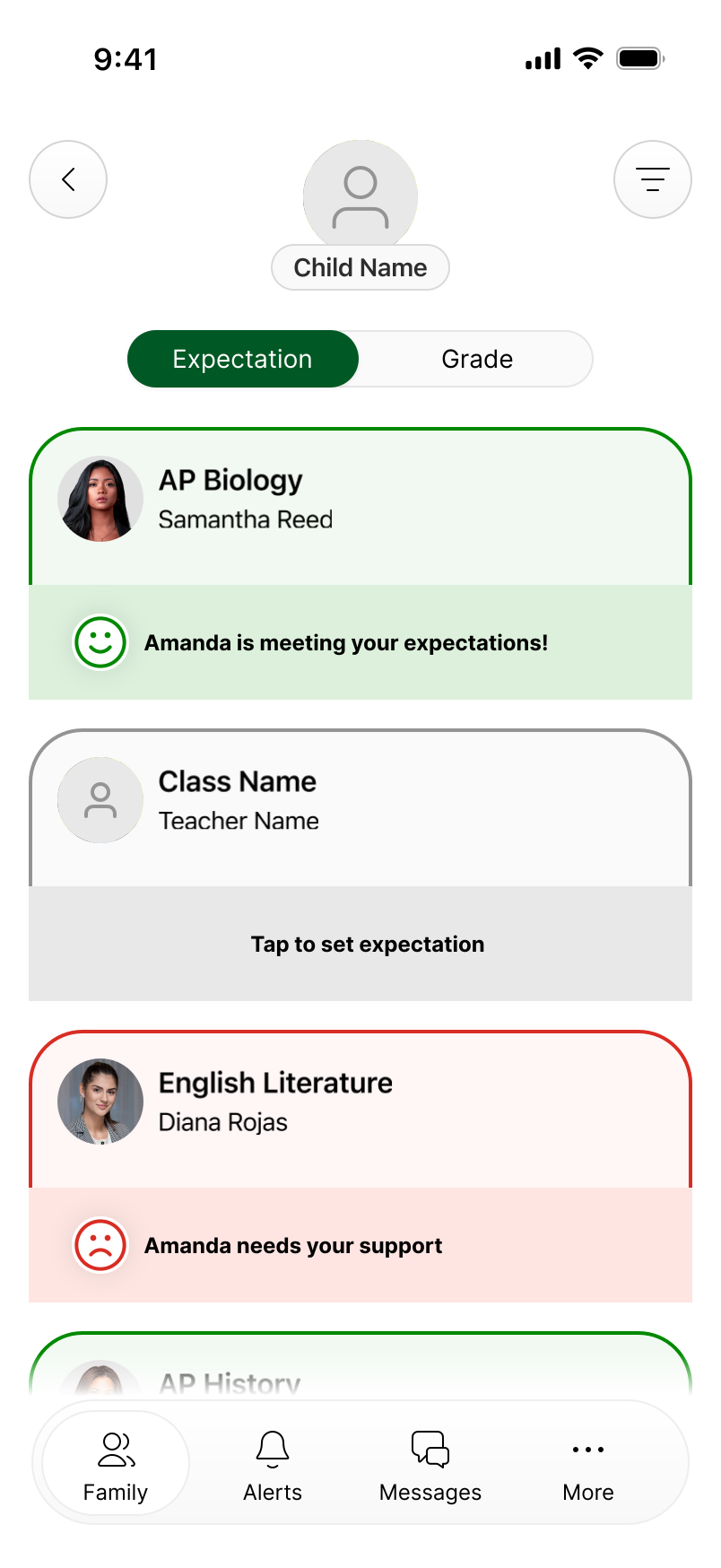
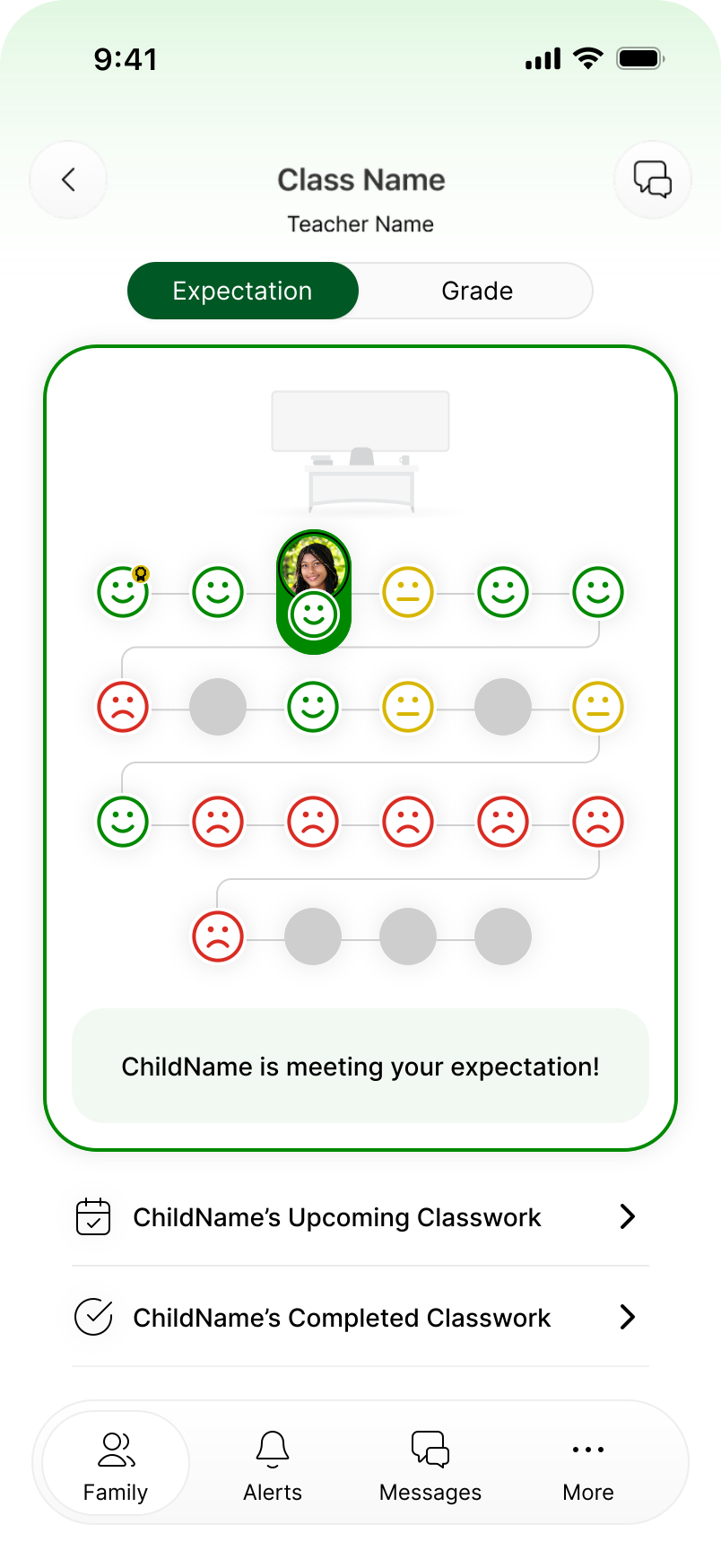
Families can see how their child is doing, ask more informed questions, and share what they notice at home. Conversations lead to practical ways to support learning between school days.

A supported pilot for schools and districts ready to turn family engagement into coordinated support for students.
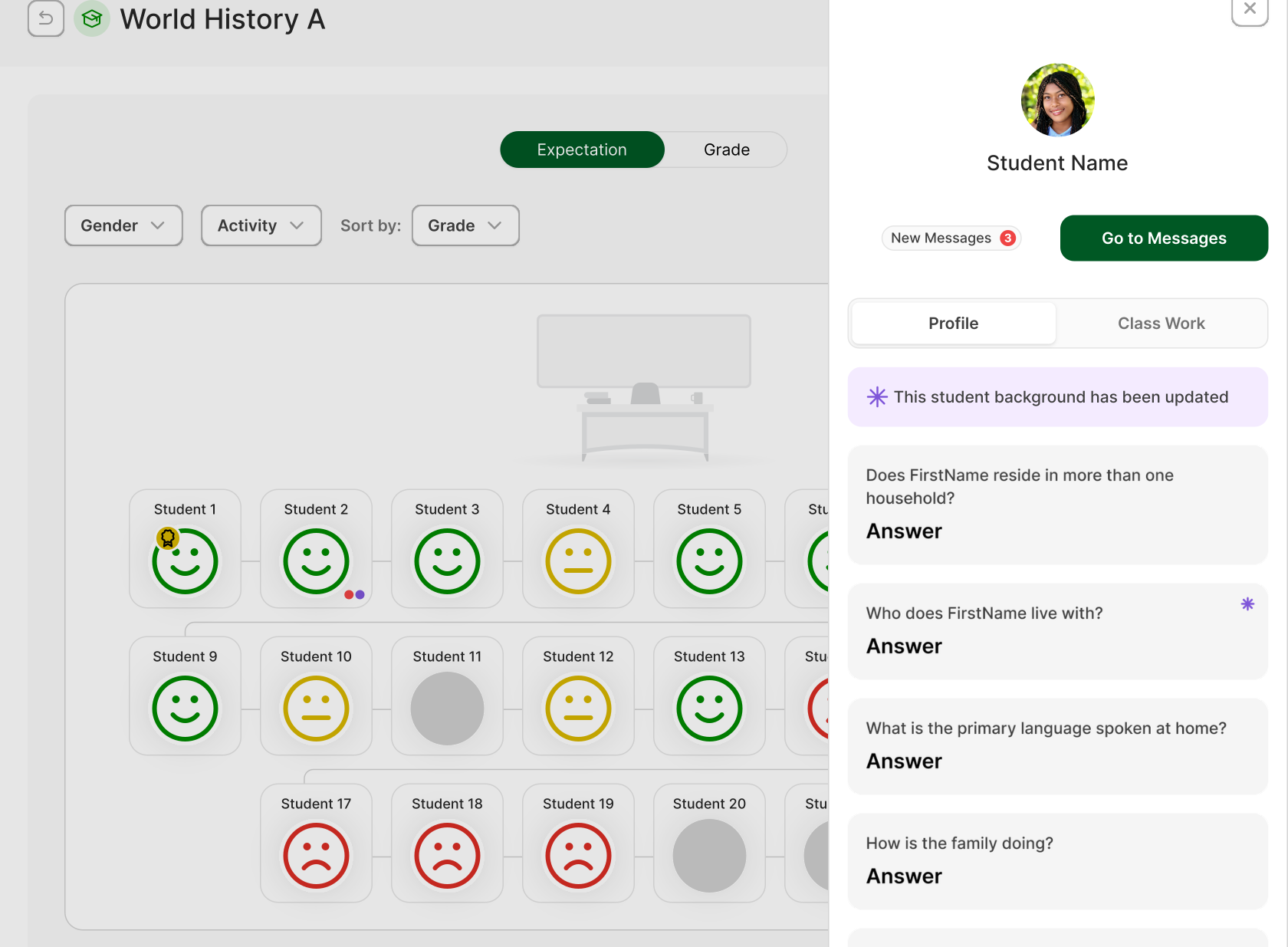
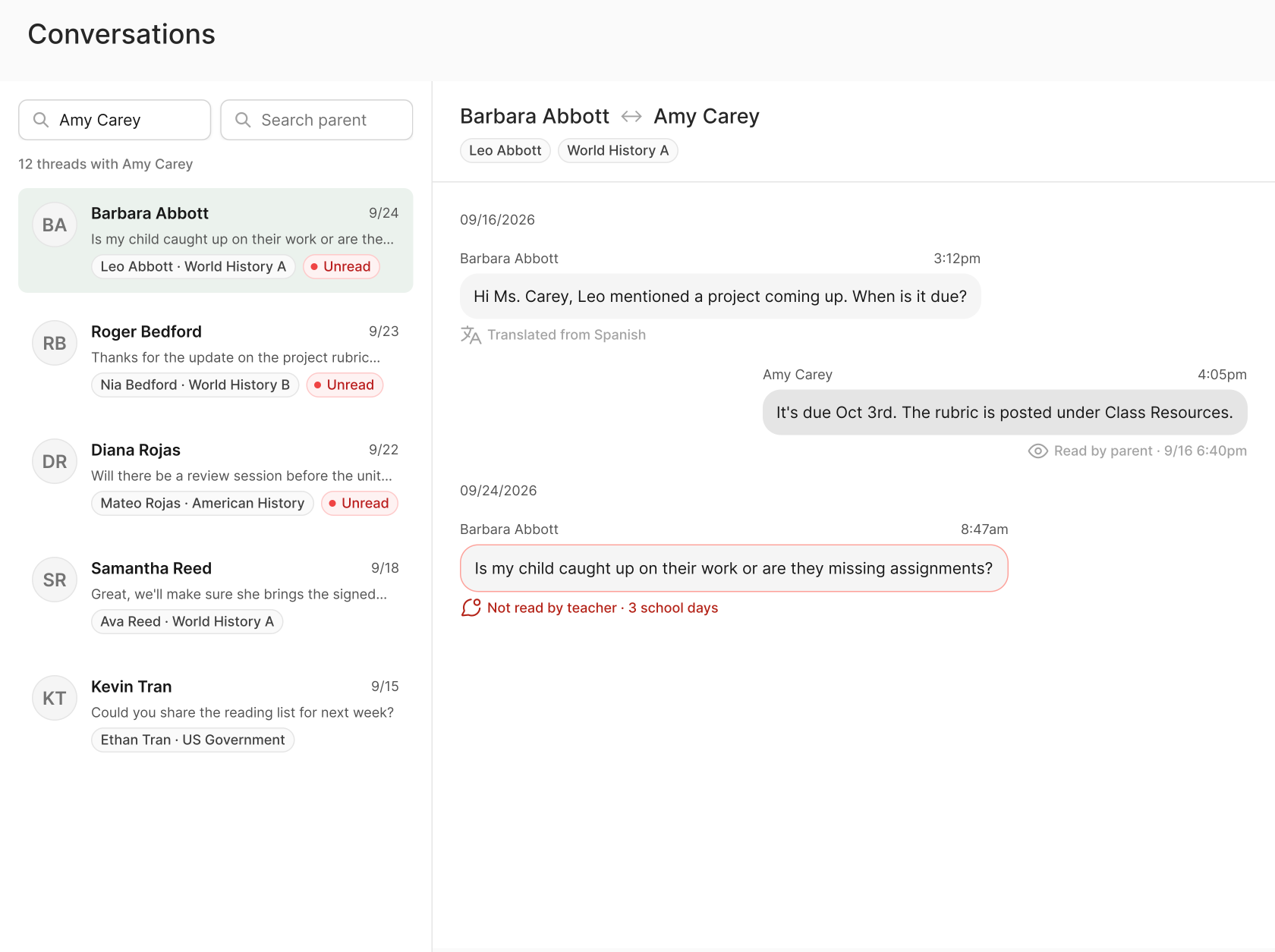
Family conversations and classroom context together in Opus Teacher.
2 of 5Families can see how their child is doing, ask more informed questions, and share what they notice at home. Conversations lead to practical ways to support learning between school days.
Teachers can bring family expectations and home context into the conversation. That creates a stronger starting point for addressing a concern, recognizing progress, or agreeing on what to try next.

With TEAM, leaders can see the conversations behind a concern and help staff coordinate their response. Families spend less time repeating their story, and school teams have a clearer basis for deciding who follows up and what happens next.

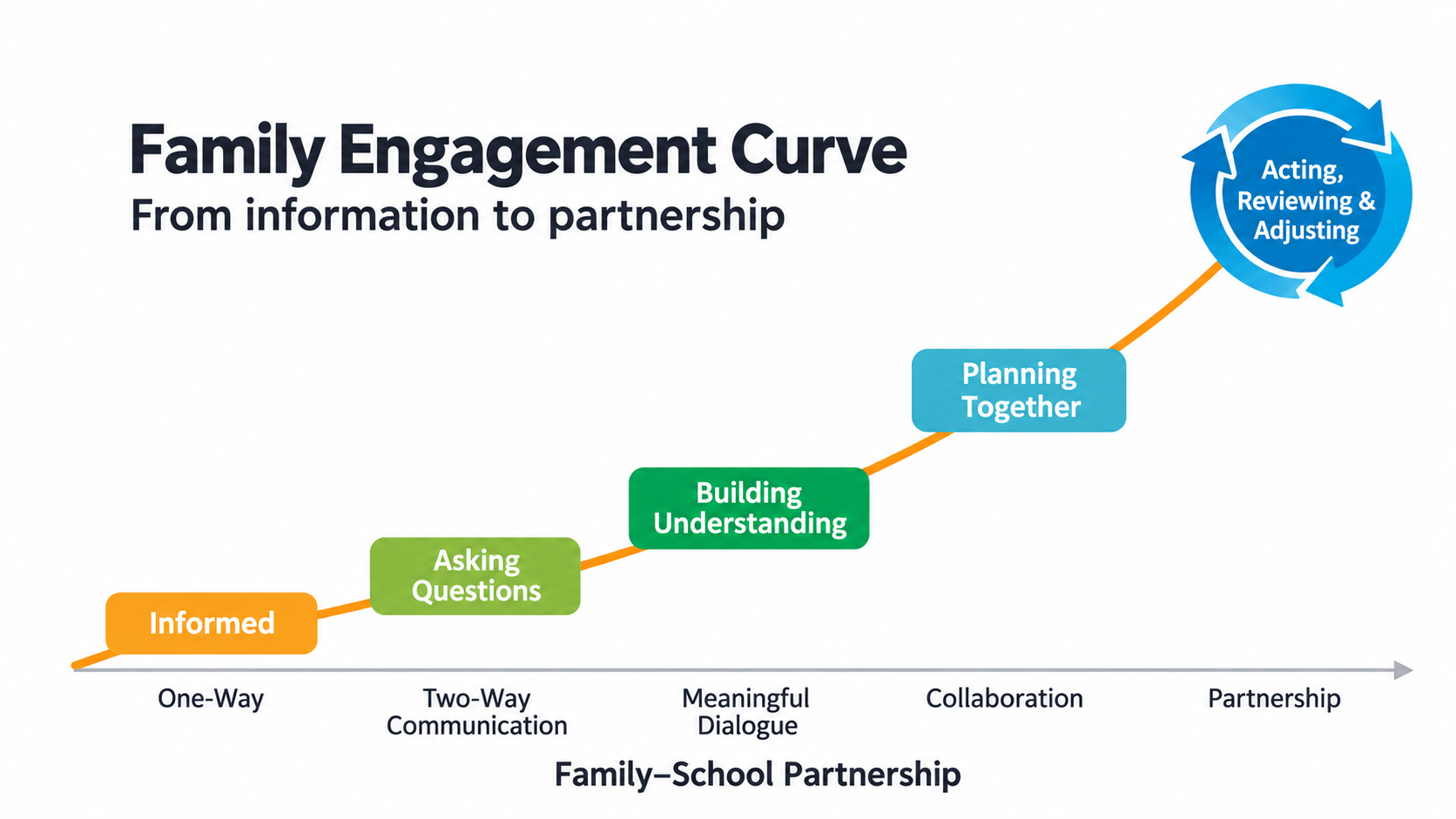
Families can receive regular updates and still be unsure what a concern means or how to respond. The opportunity is to help families and educators move from receiving information to understanding it, planning together, and following through.
View larger ↗When a family understands what their child needs and has a practical way to help, support can continue at home. A student may arrive with homework completed, a question ready, or a clearer understanding of the task. Teachers have more context to respond and a stronger starting point for teaching.
As families and educators review what is working, the next step becomes better informed. OPUS brings student progress, family perspectives, and conversations into that ongoing cycle, helping people move from noticing a need to taking useful action.

January 2027 pilots
A paid pilot gives your district a defined way to put family engagement intelligence into practice with participating schools and teams.
We begin with a conversation about your priorities, the people involved, and the scope of the pilot. Together, we agree on what progress would look like and how to assess it.
That could include whether families better understand how to help, whether agreed next steps are followed through, and how staff coordinate support. Student measures can be selected around your district’s goals and available data.
Help with planning, preparation, and launch.
Training seats for participating teachers.
Time for questions and practical guidance.
District representation to contribute experience and expertise to family engagement intelligence priorities.
Locked pricing, with an option to opt out at the end of each year.
Tell us about your school or district using the form, and I’ll follow up directly. You can also reach me by email.

Do the challenges of today require a rethinking of our family engagement strategy? Or can we integrate a refined solution into the fabric of education with minimal impact on staffing or increasing costs? OPUS is the needed platform for a coordinated family engagement management strategy to succeed.
Family engagement is important not only to a child’s educational success; it is a catalyst for improving the health of the entire community. Collecting data to better understand these relationships is important. . Without this measurement, the ability to identify a root cause of individual student failure and provide corrective interventions is diminished.
In most schools and districts, family engagement is non-performing asset. This white paper explores financial considerations, research-based best practices, and developing a cost-effective district strategy using OPUS.
A light-hearted look at a frustrating but recurring problem: getting “there” from “here”. How do we turn research into policy and implementation, especially when change is mandated, but the funding remains the same?